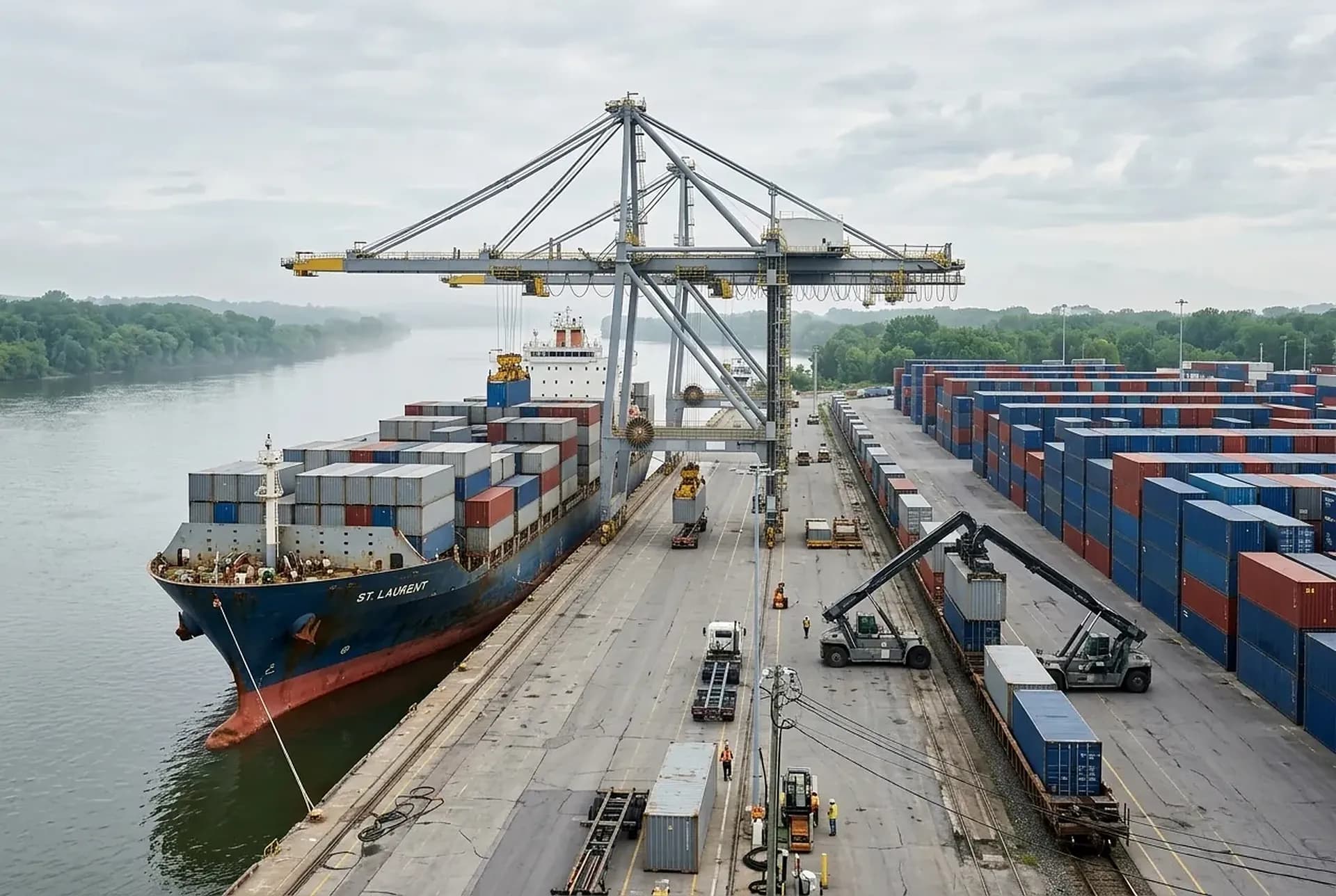
Port & rail ramp
Free time, three holds, the rail leg and the chassis, on one clock per box.
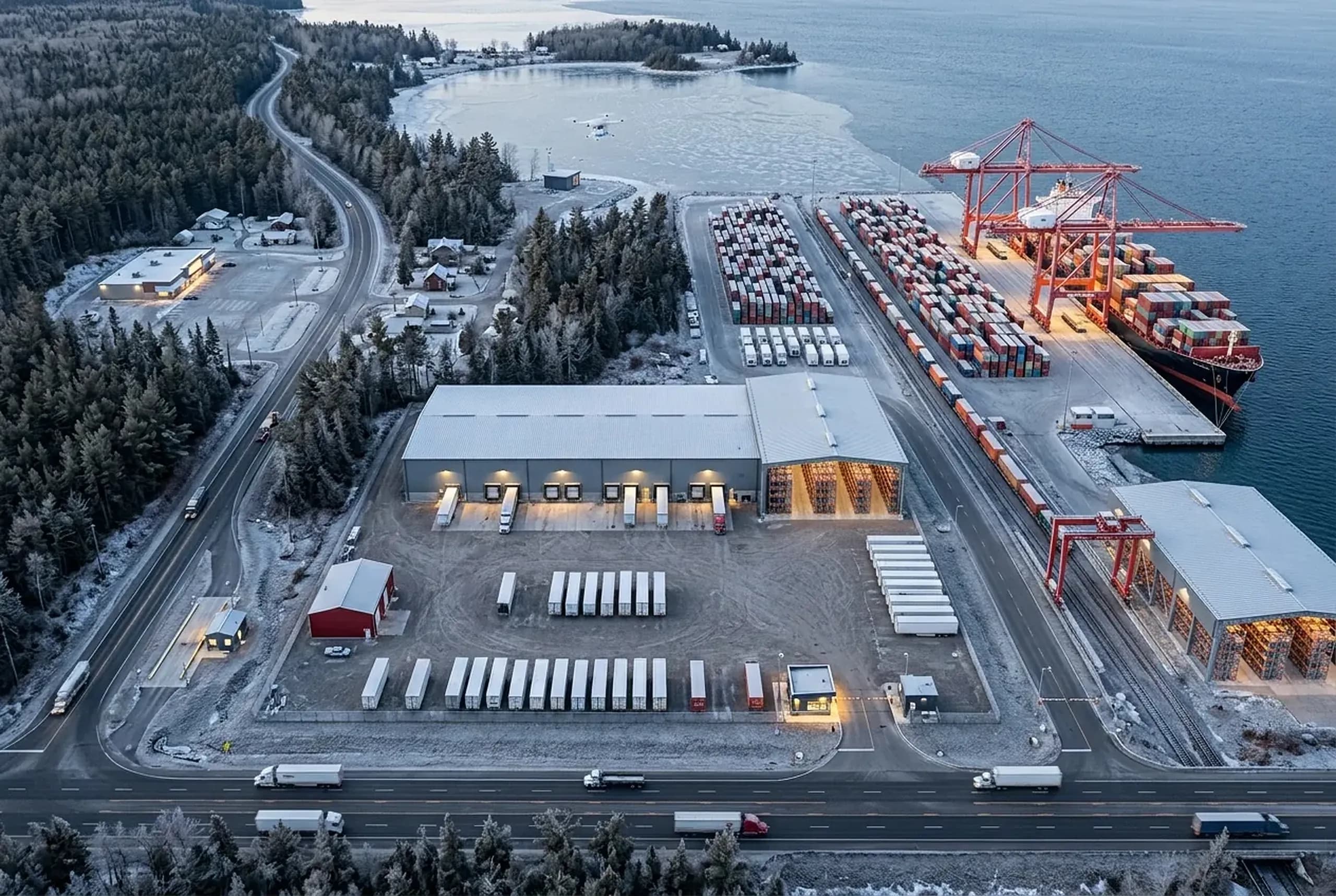
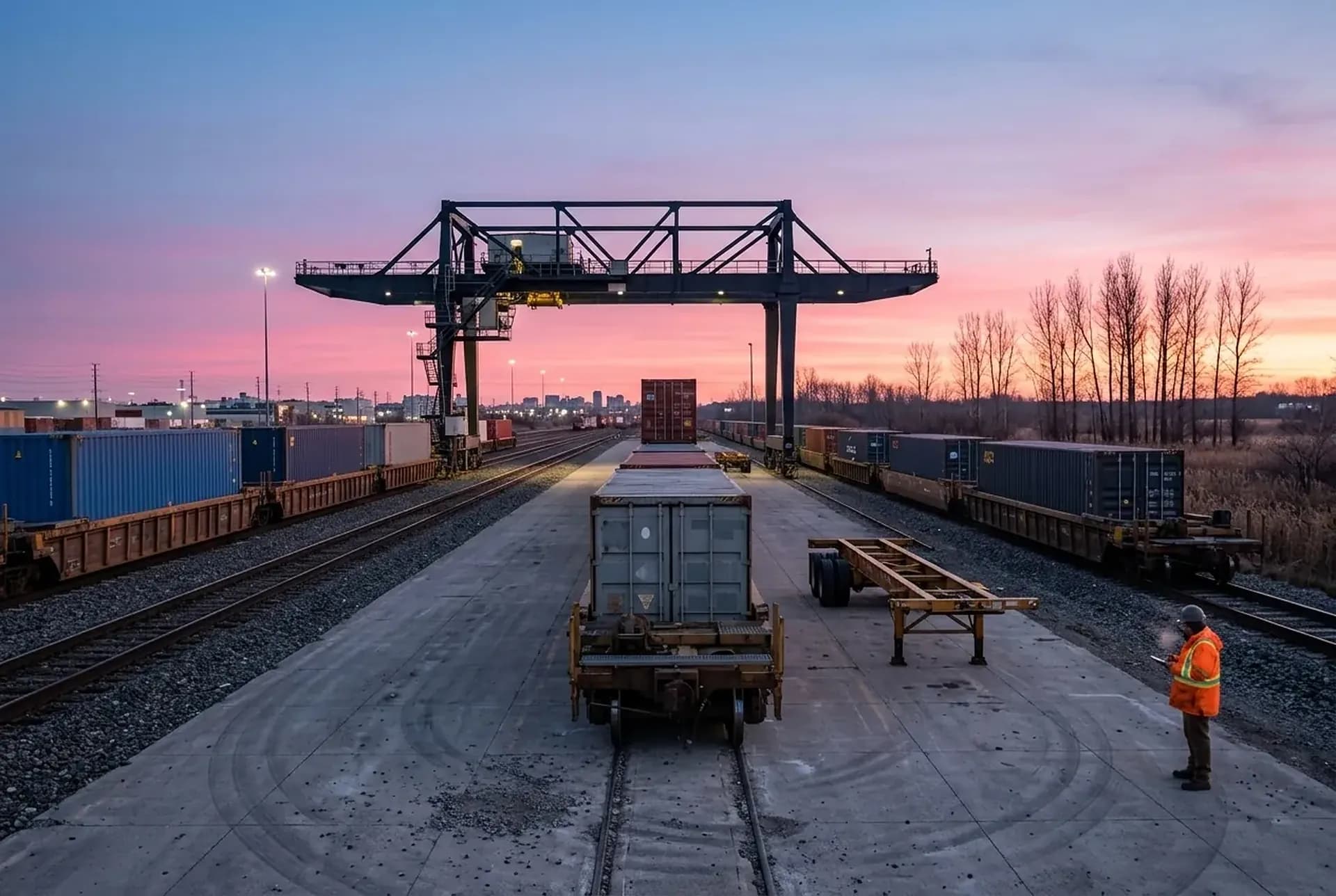
Ontario importers mostly pull their boxes at CN and CPKC ramps in Brampton and Vaughan, after the railway brings them in from Montreal, Halifax or Vancouver, and each ramp has its own reservations and storage charges. On Hapag-Lloyd's 2026 Canada tariff a dry box at an inland ramp gets the day it comes off the train plus three working days free, then USD 150, 225, 350 and 600 a day, with rail storage billed on top. CBSA can release a box the line or the ramp is still holding, and your driver cannot move it without all three releases, a pickup number, a chassis from your own pool and a reservation. Today a dispatcher finds out by refreshing the railway's portal.
The container clock lists every box by days on the ramp, free time left and dollars accruing from tomorrow, with the three holds as three colours. A CBSA hold raises a task to the broker with the CARM reference attached; a line hold goes to the line with the bill of lading, both before the clock turns expensive. When the release lands, the dashboard proposes a ramp reservation that fits a driver's hours, reserves a chassis and the empty's return slot, and dispatch confirms. AIS shows the vessel against her berth window at Montreal, so a late ship moves the follow-on pickups before you are up. Demurrage invoices reconcile against your own timestamps.
- Days on the ramp and free time left per box
- CBSA, line and ramp hold status
- Demurrage accruing in USD per day
- Ramp reservation and truck turn time
- Vessel ETA at Montreal against the berth window
- Empty-return depot slot and gate hours
- Railway intermodal reservations and availability notices
- CBSA CARM portal and broker EDI
- Line and terminal vessel schedules
- Chassis pool and driver assignments
- AIS vessel tracking
- Reefer container monitors